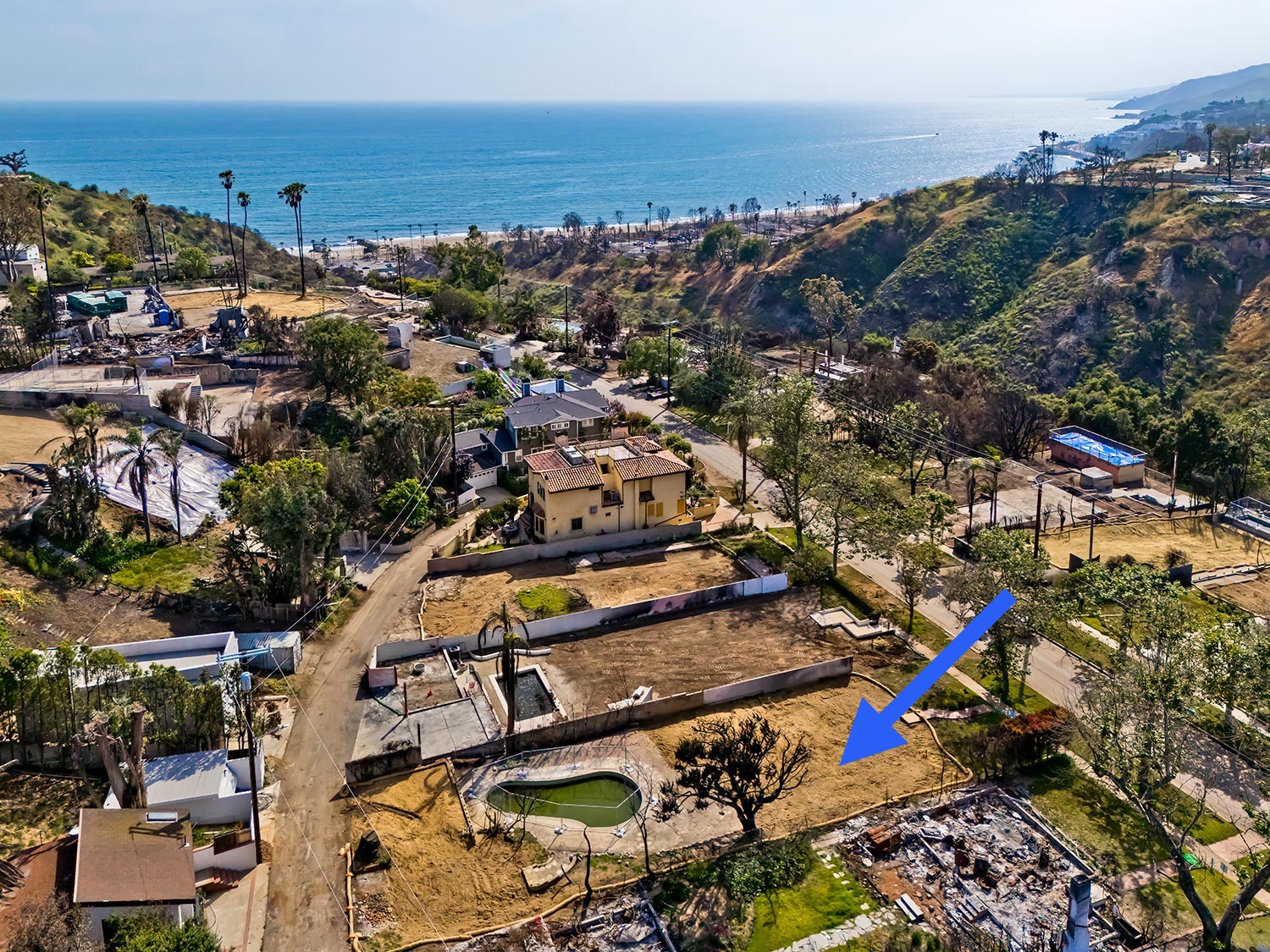
From Insurance to Construction: What to Expect in the Post-Fire Rebuild
As our community continues navigating the aftermath of the January 2025 wildfire, many people are still making difficult decisions about their homes, plans, and futures. The pace of recovery varies widely from street to street and family to family. In the meantime, there are several lesser-known issues, opportunities, and practical tips that may help you move forward with more confidence.
Here are several items you might not be aware of — or may benefit from being reminded about.
Unsolicited Offers on Burn-Area Properties Are Now Illegal
Did you know that buyers may no longer approach a homeowner with an unsolicited offer to purchase residential property in fire-affected ZIP codes such as 90272? The purpose of this law (AB 851) is to protect owners who may feel pressure to sell quickly, and at prices below fair market value, during a vulnerable time.
Until at least January 2027, buyers and sellers must sign a written attestation confirming that the offer was not the result of unsolicited outreach. It must be recorded with the title transfer.
If violated, the seller may rescind the sale up to four months after closing, and the buyer may face civil penalties up to $25,000 per violation.
If you are contacted regarding a possible sale, always consult your agent or attorney before responding.
Insurance & ALE (“Alternative Living Expense”) Stress Is Real — and Help Exists
Many homeowners feel stuck because their insurance settlement remains unresolved — sometimes due to ongoing questions from adjusters or disputes over replacement cost estimates. It is normal to feel frustrated, overwhelmed, and emotionally drained by the process.
A valuable free resource is United Policyholders (UPhelp.org), a nonprofit consumer advocacy group. They offer guidance, claim preparation tips, and recorded webinars covering a wide range of common issues.
Also, some owners do not realize that in certain cases, it may be possible to purchase a replacement property rather than rebuilding — and still receive full replacement-cost benefits, including code-upgrade coverage. Every policy is different, so review options carefully with your carrier or a trusted advisor.
Consider Termite Prevention Before Your New Home Is Completed
Most new structures contain lumber that may have been stored in a yard for months — sometimes long enough for pests to take up residence. Treating wood framing with borate solutions during construction is a relatively inexpensive step to help prevent future termite invasions. Fumigation before the final roof goes on can eradicate any already in place.
Some contractors also recommend mesh barriers at slab penetrations, which block subterranean termites without chemicals. Asking about these products now can save significant trouble later.
Nails and Debris: A Neighborhood Hazard Worth Preventing
Loose nails left on roads and sidewalks by construction crews are more than a nuisance — they pose risks to tires, bikes and pets. Owners can request that contractors magnet-sweep streets and driveways daily.
Before You Build — Know the View Guidelines or Other Restrictions
In some areas of the Palisades, view corridors are protected by CC&Rs and neighborhood guidelines, and disputes can arise when new heights block views. Addressing this early is much easier than after concrete is poured.
A simple courtesy: share a preliminary height plan with neighbors before submitting final drawings. It builds goodwill — and can prevent costly revisions.
Defensible Space Matters — Even With a Brand-New Home
Fire-resistant design goes beyond using ignition-resistant materials.
Key steps include:
- Clearing leaves from gutters and roof valleys
- Replacing wood mulch next to the house with gravel or stone
- Installing fine-mesh (≈1/8″) screening on roof vents
- Choosing fences with non-combustible segments attached to the house
The LA County Fire Safe Council and other groups can provide checklists and guidance.
Expect Delays — and Plan for Them
Because hundreds of homes are being rebuilt simultaneously, early optimism about timelines may give way to unexpected delays.
A helpful mindset:
Plan realistically and celebrate the small wins.
Build contingency time into move-in expectations — and consider ordering long-lead-time items (windows, panels, major lighting components) well in advance.
Building for the Future — Not Just Today
While designing your new home, consider features that support aging-in-place and long-term value:
- No-step entry from garage or walkway
- Wider hallways and interior doors
- Lever-style handles
- Pre-wiring for future EV charging or battery backup
A home that functions well for all ages may ultimately command a premium resale price.
In Closing
Every homeowner’s recovery journey is unique. The information above will not solve every challenge, but my hope is that it provides a few helpful insights — and perhaps makes the road ahead feel a bit more manageable.
If you have questions about anything mentioned here, or would like additional topics addressed in a future update, please feel free to reach out. We are all in this together — and progress continues, step by step.