
The Market is Back. The Neighborhood Isn’t Yet.
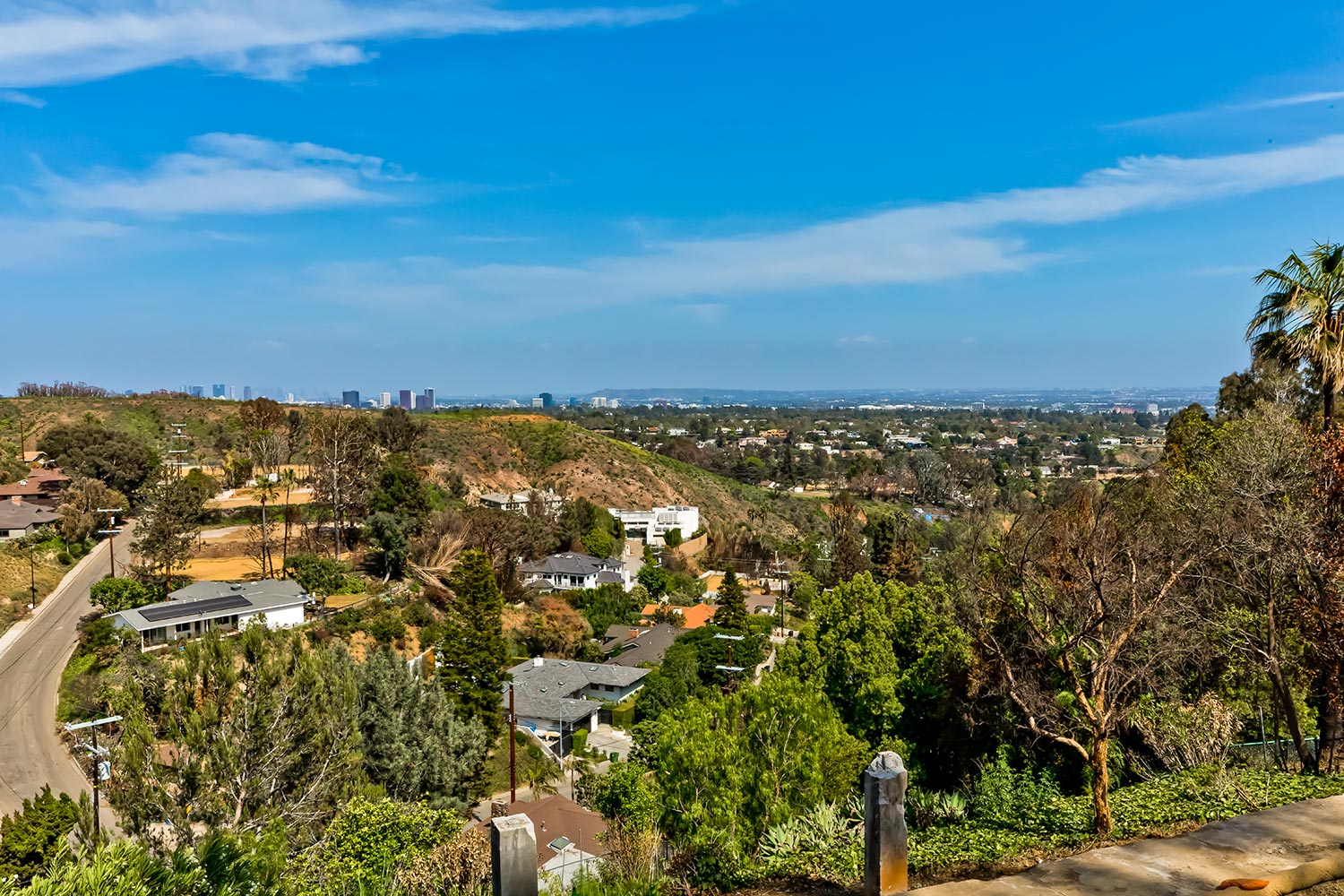
Before looking ahead, it’s important to understand where we actually are today. Even now, well into the second year post-fire, Pacific Palisades remains only partially repopulated. Most estimates indicate that roughly 20–30% of residents have returned, meaning the majority of the community is still displaced. That number reflects not a lack of desire to come back, but the reality of timing: rebuilding, permitting, insurance resolution, and construction have simply not progressed far enough yet.
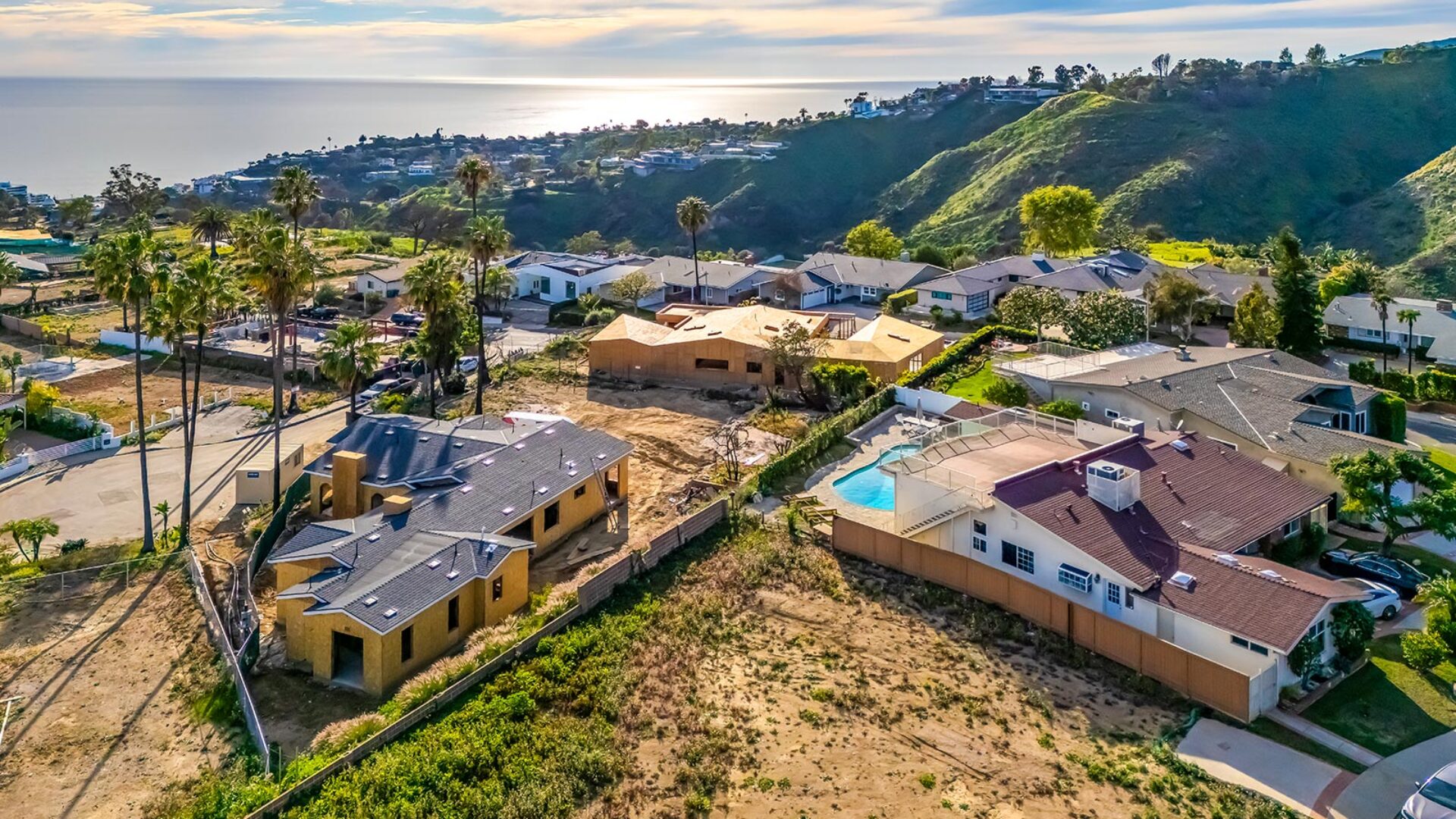
What “return” looks like today is also nuanced. It largely consists of homes that were not destroyed or were able to be remediated relatively quickly, along with a small number of early rebuilds. Large portions of the neighborhood remain in transition: empty lots, active construction, and owners still deciding. While the land market has regained momentum and feels active, the population itself is still in the early stages of recovery. This gap between market activity and actual repopulation is the most important lens through which to understand everything that follows.
The 10-Year Horizon: Learning from Past Recovery Patterns
Looking forward, the path back to a fully functioning community will be measured, not fast. Based on comparable post-disaster recoveries, from Santa Rosa after the 2017 Tubbs Fire to Malibu following Woolsey in 2018, neighborhoods of this scale and complexity typically take a decade or more to fully reconstitute their population. Pacific Palisades will likely follow a similar arc: approximately 80% repopulation over an 8–10 year horizon. This is not pessimism… It’s pattern recognition. Recovery of this kind is not just a real estate cycle. It’s a layered process involving insurance outcomes, permitting timelines, construction capacity, and hundreds of individual owner decisions playing out asynchronously.
The real estate market and the community itself will not recover on the same schedule, and understanding that distinction matters. The land market has already shown meaningful stabilization, and broader real estate activity, such as pricing, absorption, and buyer confidence will likely continue to normalize over the next 3–4 years as transactions establish reliable benchmarks. But a functioning market does not mean a restored neighborhood. Historically, in post-disaster environments, real estate activity stabilizes well before the population fully returns. The market moves on data. People move back when their homes are built, their kids’ schools feel right, and the street doesn’t look like a job site.
Complexity in the Market: Land vs. Standing Homes
The standing home market adds another layer of complexity. Unlike land, these properties are shaped by remediation requirements, environmental considerations, and insurance variables that influence timing and buyer confidence in distinct ways. This segment will not move in lockstep with the land market — further widening the gap between overall market activity and true repopulation.
Who is rebuilding also shapes the timeline in ways that raw transaction volume doesn’t capture. A meaningful share of today’s buyers are investors or second-home owners. While they contribute to pricing support and market activity, they don’t translate into immediate full-time residency. True neighborhood repopulation is driven by end users — families, longtime residents, people who will fill the coffee shops and school pickup lines. Those buyers are coming, but they tend to follow construction timelines rather than lead them.
Why Physical Reconstruction Often Lags Behind Market Data
Compounding this is the dynamic of land banking. Some owners who lost homes are choosing to hold their lots for future use, often for their children, rather than rebuild immediately. Some buyers are acquiring land with longer horizons in mind, whether for future development, resale, or generational planning. This behavior supports pricing and reduces near-term supply, but it also slows the pace of physical rebuilding and delays population return in ways that don’t show up in market data.
Infrastructure timing adds one more variable. The planned undergrounding of utilities by DWP, while a long-term positive, introduces real near-term friction: street trenching, sidewalk disruption, coordination with adjacent properties, and uncertainty around utility easement relocations. These dependencies can pause vertical construction in ways that are invisible in the data but very tangible on the ground.
The Road Ahead: Building a Resilient Pacific Palisades
What we are likely to see is a sustained period where the market feels steady and functional while the physical and social fabric of Pacific Palisades continues to rebuild more gradually. New homes will rise alongside active construction sites, alongside fenced dirt lots, alongside the occasional wildflower garden where an owner has chosen to hold rather than build. Pockets of normalcy will return before the whole feels cohesive again.
Pacific Palisades will come back. But it will earn that recovery block by block, decision by decision, and the communities that have walked this road before suggest that the most resilient ones are built not just by the market, but by the people patient enough to see it through.