Insurance Delays, Permits, and Emotional Toll Stall Rebuilding Efforts
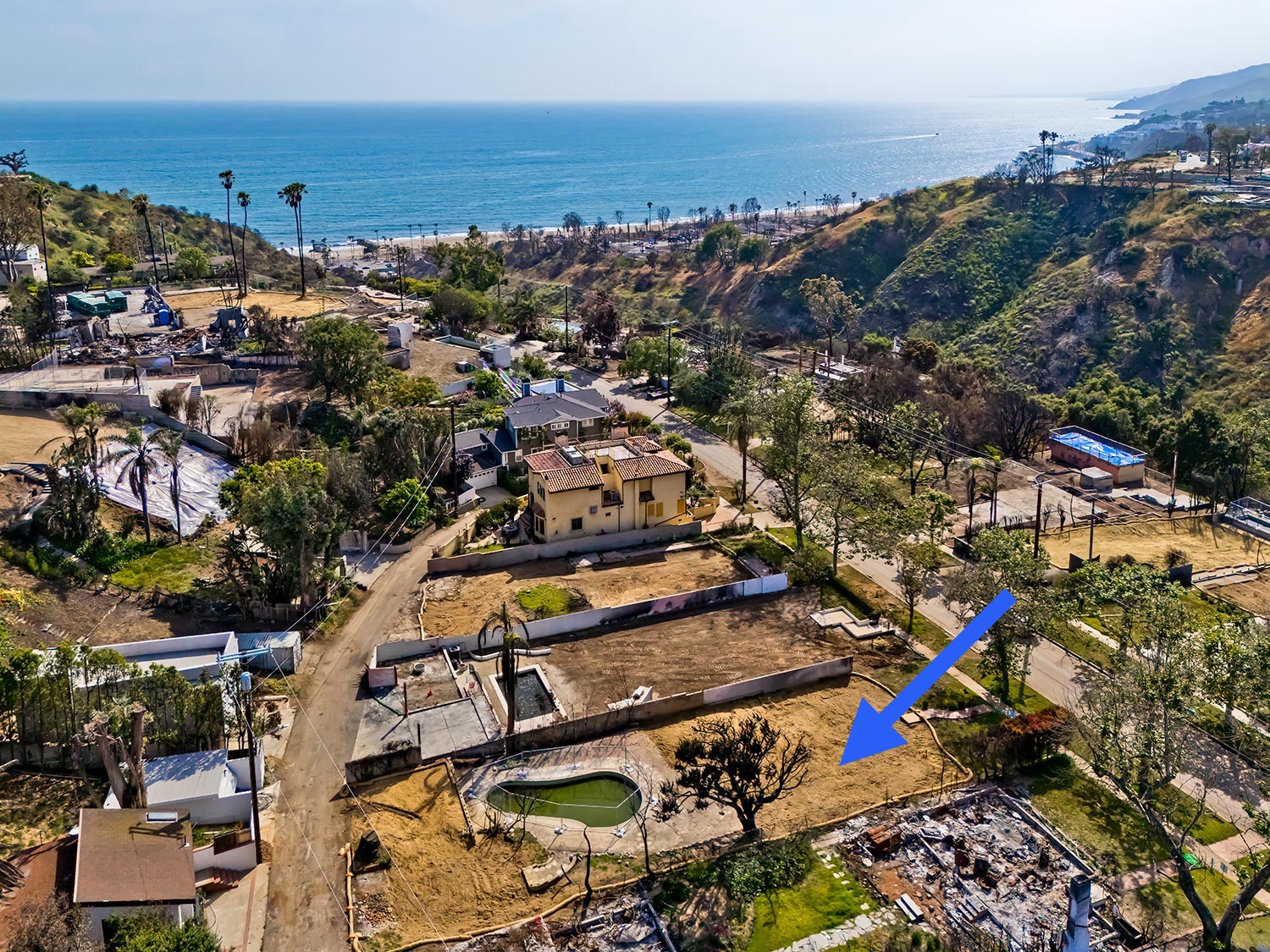
Nearly a year after the wildfire destroyed more than 5,400 homes in Pacific Palisades, the pace of rebuilding remains far slower than many expected. Instead of hundreds of lots flooding the market and rapid new construction, the process has stalled at multiple points, leaving thousands of families in limbo.
Permits Slower Than Promised
In February and March, the city assured residents that building permits would be fast-tracked and approved within weeks. Officials anticipated a surge of applications and even brought in outside staff to handle the workload.
Yet by mid-September, fewer than 400 permits had been fully approved—barely 7% of the total vacant lots. While some progress has been made, the average wait for full plan approval is now closer to 70 days, far longer than first promised.
And yet, the volume of new applications is still relatively low.
A Surprisingly Balanced Market
Despite early predictions that more than 600 lots might be on the market by summer, the inventory has remained relatively steady. New listings have been offset by steady buyer demand, bringing what was once a 15-month supply of unsold lots down to about six months by mid-September. Fewer than 200 lots are for sale, and nearly the same have sold since January. In real estate terms, that’s a level considered relatively balanced between buyers and sellers.
Still, this balance masks deeper challenges: a rebuilding process slowed not only by permits but by financial, legal, and emotional obstacles.
Insurance Delays: The Biggest Roadblock
The single greatest factor holding back recovery is the widespread gridlock in insurance settlements. Perhaps 80% of property owners remain stuck in prolonged negotiations, despite having paid premiums for decades with the expectation of fair compensation in the event of disaster.
Although insurers did release partial payments and Alternative Living Expenses (ALE) funds quickly, many owners were left with misleading information about expiration dates. Some burned through $20,000–$40,000 a month in rent, only to discover that ALE coverage could have been far longer. Today, thousands remain uncertain about how much they will ultimately receive, leaving them unable to commit to architects or builders.
The battle between insurance adjusters and the policyholders seems never-ending for thousands of people.
Emotional and Legal Challenges
Beyond financial setbacks, psychological trauma continues to weigh heavily. Most owners are still grieving the loss of homes, memories, and community. Many have been advised by attorneys to delay any action until lawsuits are resolved. The result is widespread paralysis: people unwilling to sell, unable to rebuild, and increasingly weary of temporary housing.
Families in Limbo
Some displaced families have relocated to the South Bay, San Fernando Valley or other areas while waiting for clarity. Months later, their children are in new schools and new roots are being established. Faced with diminished property values—down as much as 40–50%—and shifting family priorities, they question whether returning to the Palisades even makes sense.
Some residents report that their friends and neighbors have already decided not to rebuild. Few want to be the only family in their circle moving back, especially if completion may not happen until 2027 or later.
Investor Takeover Risk
The longer delays persist, the more vulnerable the community becomes to outside investors who are acquiring lots at discounted prices. While this will accelerate new construction, it reduces the likelihood that former residents will return, changing the fabric of the community for decades to come.
What Lies Ahead
Until insurance carriers resolve claims more fairly and efficiently, progress will remain slow. Each month of delay increases frustration, lowers property values, and weakens the chance that families will return.
For now, what was once hoped to be a rapid wave of rebuilding has instead become a slow and uncertain recovery, shaped as much by legal and financial barriers as by the trauma of loss.